Wie Muonen, KI und 3D-Scans Spannkabel, Korrosion und Hohlstellen in Betonbrücken sichtbar machen.
Summary
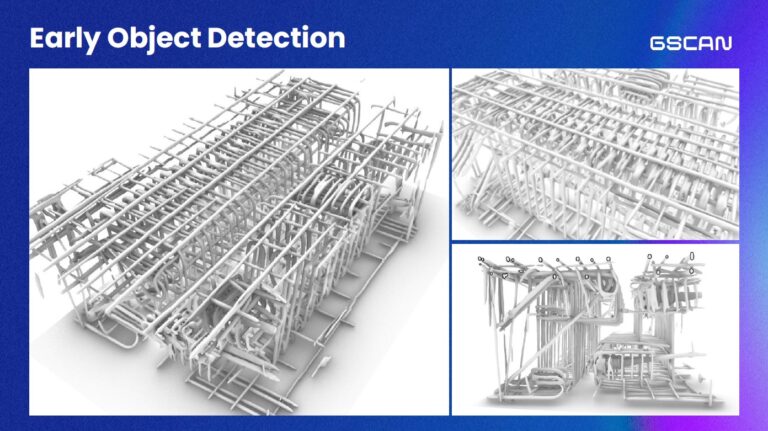
Muon technology is increasingly being explored for concrete inspection and bridge inspection. By analysing naturally occurring cosmic particles, internal structures of concrete can be visualized non-destructively, including prestressing tendons, voids, material variations and highly congested reinforcement arrangements.
In this episode of Concretely, Johannes Lohner speaks with Andreas Schneider from G-Scan about the underlying physics, practical infrastructure applications and the role of AI in processing large quantities of measurement data.
How do Muons work in Concrete Inspection?
Muons are generated by cosmic radiation in the atmosphere and continuously reach the Earth’s surface. According to the podcast discussion, approximately 10,000 muons per minute per square metre reach the Earth.
These particles penetrate concrete structures and are deflected depending on material density and atomic composition.
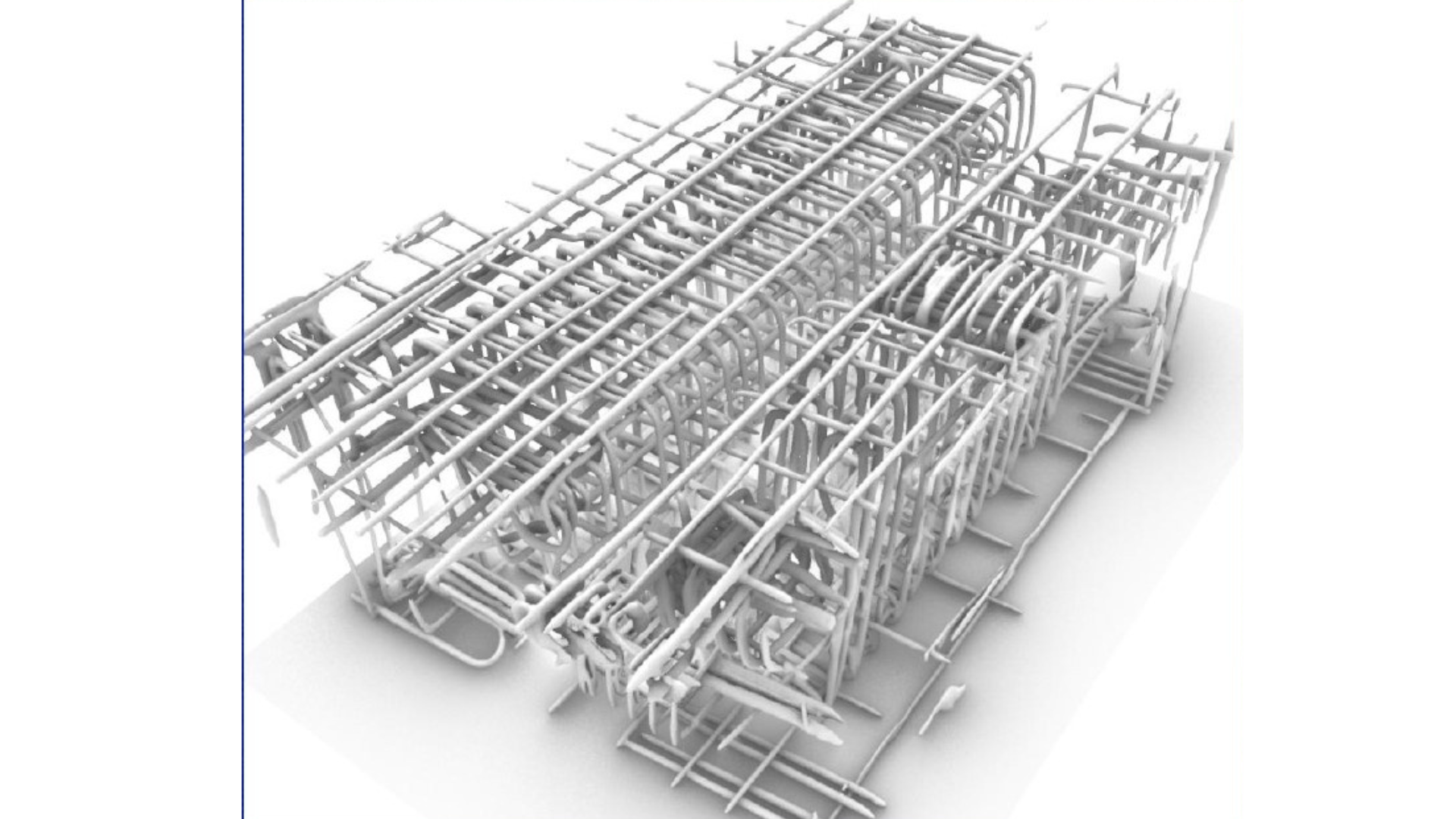
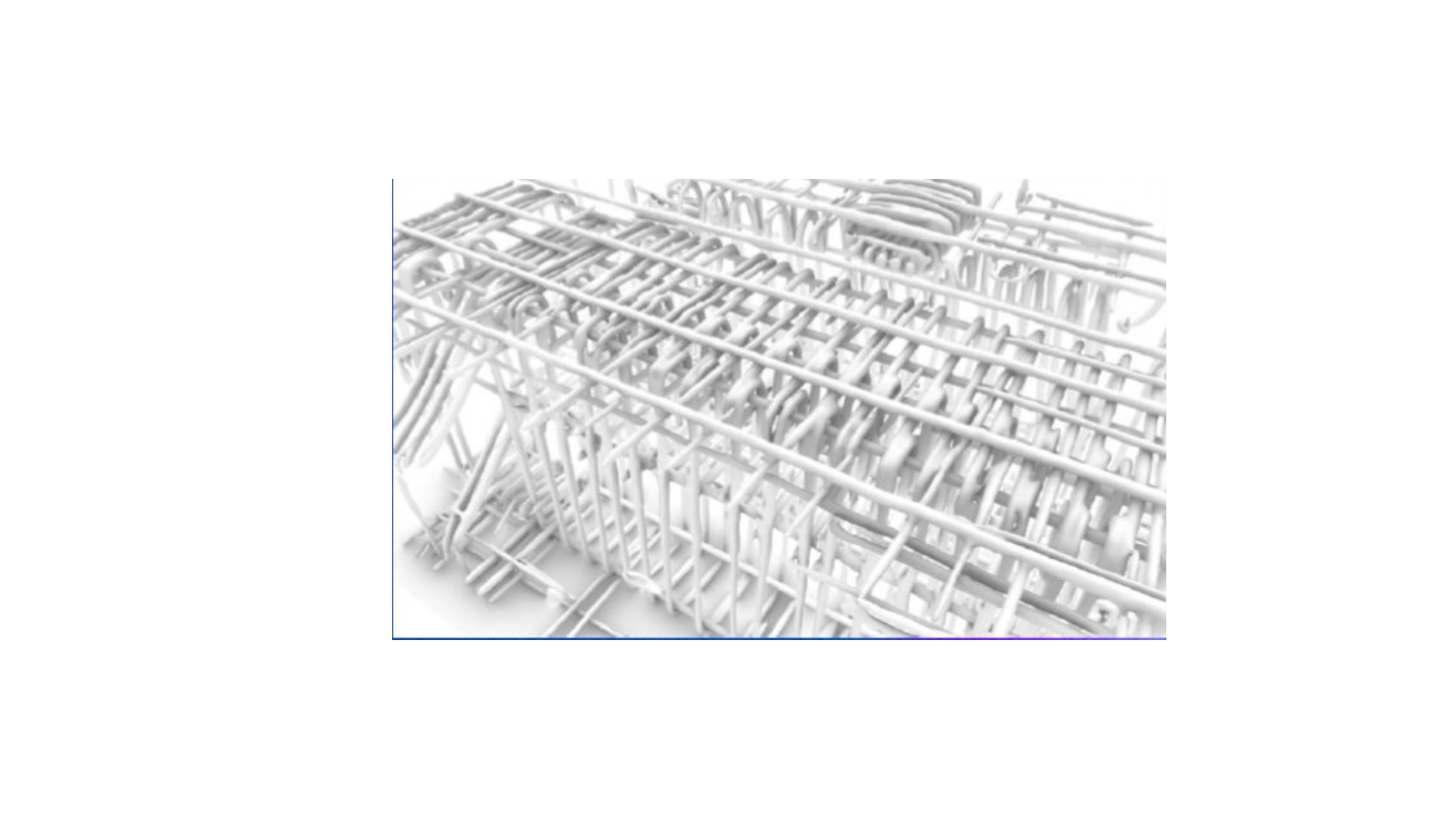
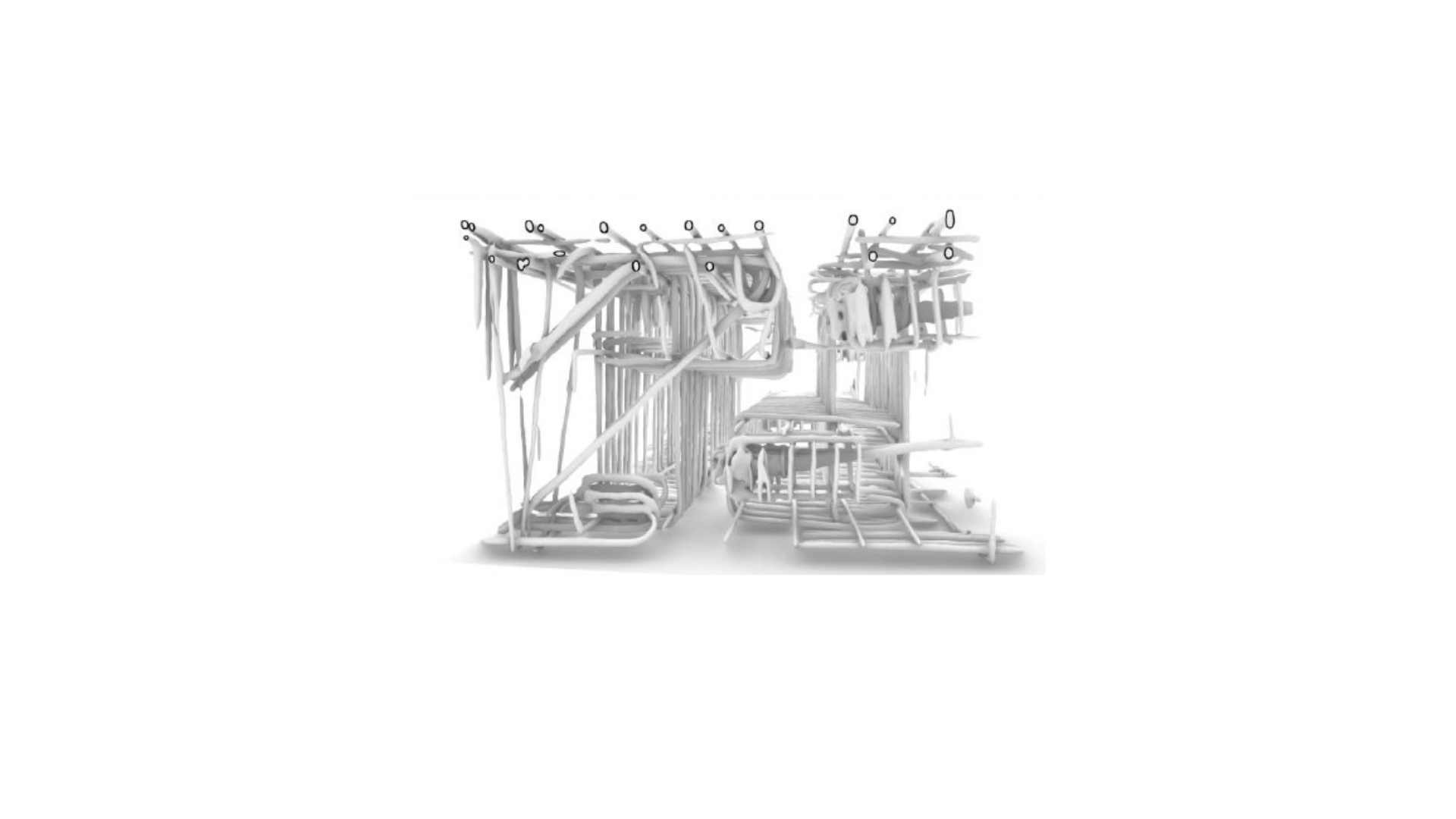
By measuring entry and exit angles, three-dimensional reconstructions of the internal structure can be created. Unlike X-ray systems, no artificial radiation source is required.
Potential applications include:
- prestressing tendons and ducts
- reinforcement arrangements
- voids
- material transitions
- local density changes
Half-Joint Bridges as a Challenging Use Case
One of the central topics discussed was the application to Half-Joint bridges, particularly in the UK.
These structures often contain highly congested reinforcement layouts in critical regions. Multiple reinforcement layers, water ingress and geometrically complex details can make traditional inspection methods challenging.
This is where conventional concrete inspection techniques may reach their limits.
If you want to learn more about established non-destructive testing technologies such as Ground Penetrating Radar (GPR), Ultrasound, Eddy Current, Potential Mapping and Impact Echo, you can find a dedicated episode here: https://concrete-ly.com/en/concrete-inspection-gpr-ultrasound-ai/
AI and Material Classification in Muon Concrete Inspection
A major challenge lies not only in the hardware itself but in the interpretation of the measurement data. Millions of particle trajectories need to be reconstructed, classified and analysed.
Machine learning algorithms support:
- object detection
- material classification
- reconstruction
- local density analysis
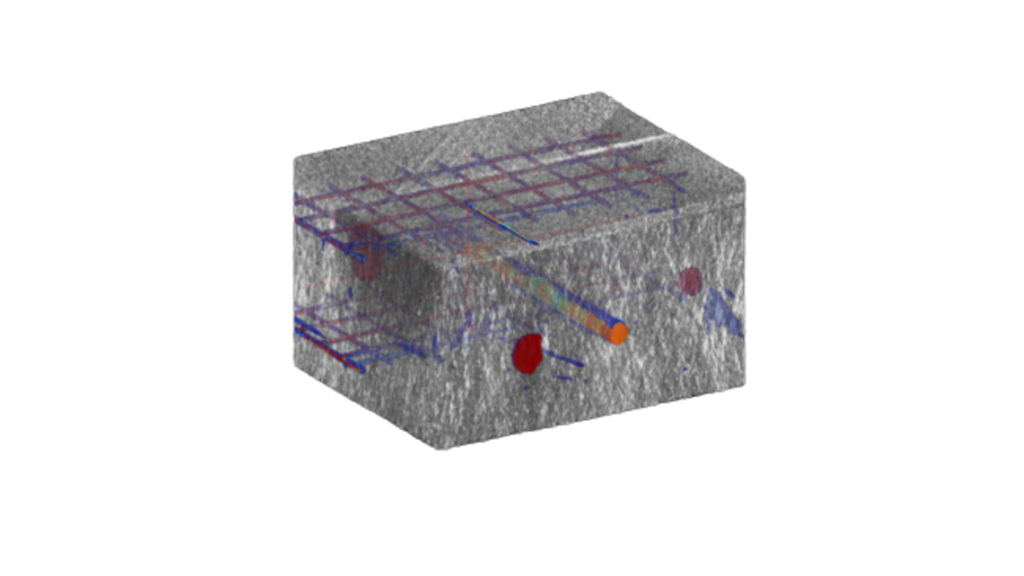
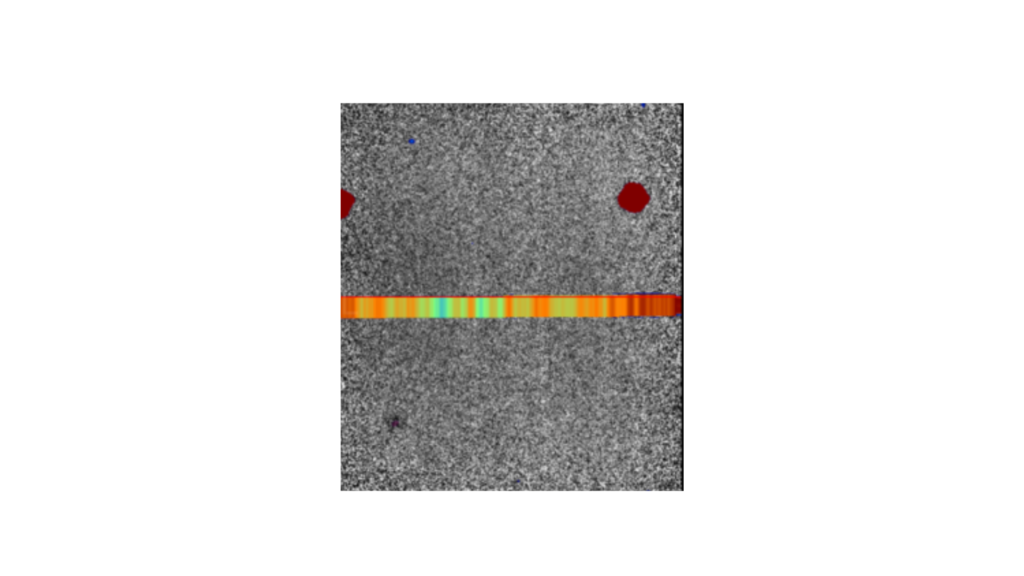
Detecting Tendons, Strand Breaks and Corrosion
A major discussion point of the episode was the assessment of prestressed concrete structures and the possibility of identifying internal damage non-destructively.
According to G-Scan, local changes in steel density along a tendon may provide indications of:
- grouting defects
- voids
- material loss
- corrosion
- potential tendon strand failures
Particularly interesting was the discussion on whether tendon strands that retract after failure by several millimetres could become detectable.
For acoustic-based tendon monitoring and strand-break detection, you can also listen to another Concretely episode with Gregor Schacht: https://concrete-ly.com/en/home-2/
This allows readers to compare different approaches to assessing prestressed concrete structures.
How does a Muon Concrete Inspection Measurement work?
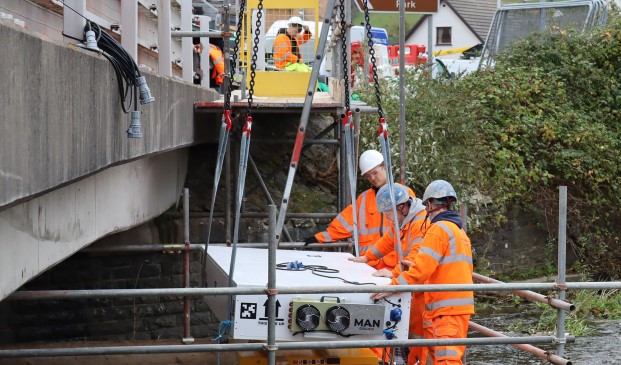
The system uses sensor boxes installed above and below the structure, or alternatively positioned on opposite sides.
Several practical figures were discussed:
- approximately 10,000 muons/min/m²
- roughly 100 million muons for detailed measurements
- measurement area approximately 2 m²
- high-resolution measurements approximately two weeks
The sensors continuously measure the natural muon flow and track particle trajectories before and after they pass through the structure.
Conclusion
Muon concrete inspection does not replace methods such as GPR, ultrasound or potential mapping. Instead, it expands the toolbox available for infrastructure diagnostics, particularly in complex, heavily reinforced or difficult-to-access structures.
The greatest value may emerge once inspection data is integrated into BIM models, digital twins and asset management systems, enabling infrastructure owners to make more informed maintenance decisions.
Literatur
- GScan Homepage
- BAM: Muon tomography for bridge inspection — joint G-Scan/BAM experiment comparing radar, ultrasound and muon imaging.
- Scientific paper: Muon Tomography of Reinforced Concrete Structures — BAM-related publication with detailed methodology.
- UK Muon Tomography for Assessing Bridge Structures project — infrastructure-focused validation project.